
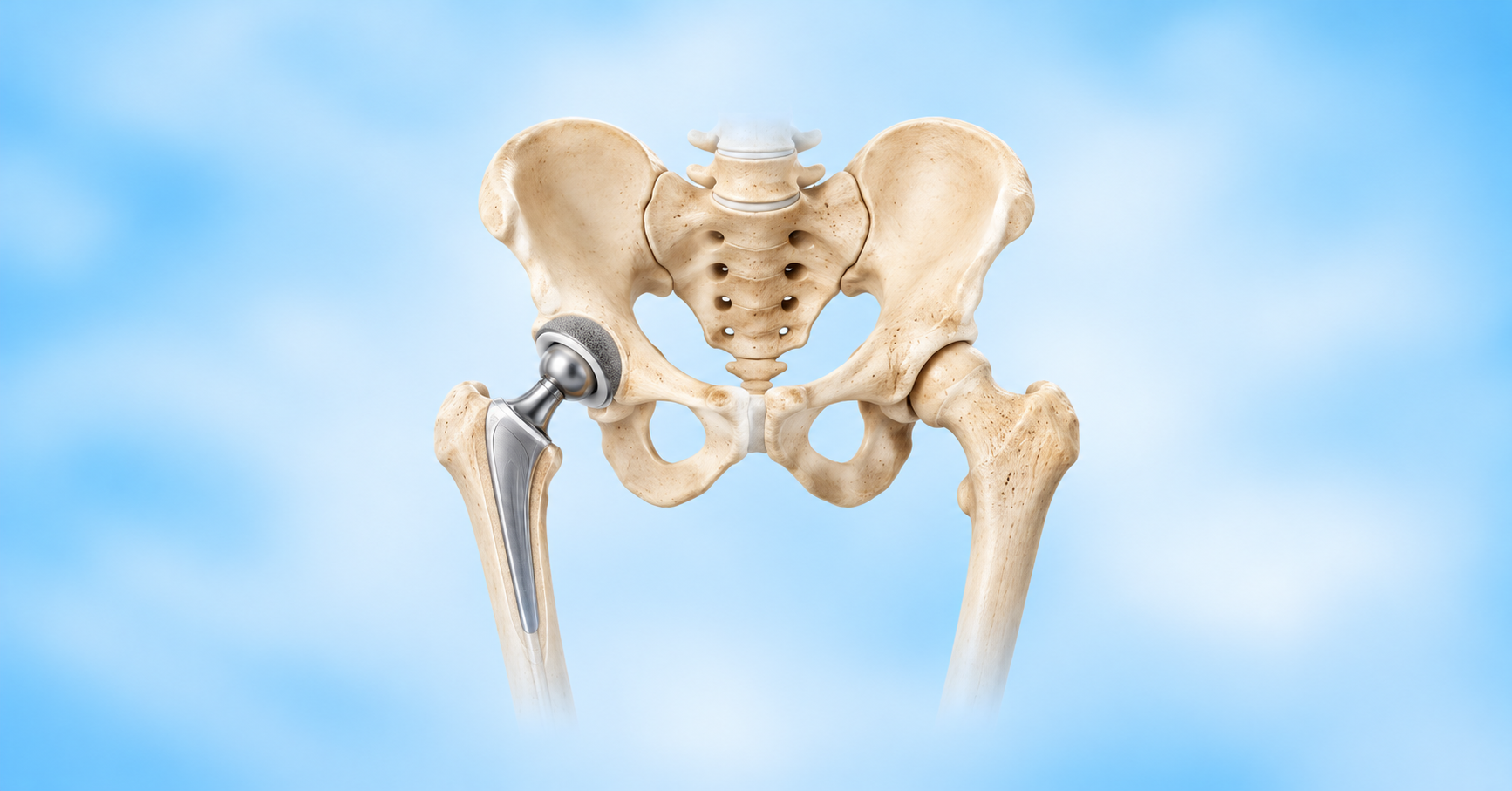
Unilateral Hip Replacement
Restoring Mobility and Comfort in a Damaged Hip
Unilateral hip replacement is a surgical procedure that replaces a single damaged or worn hip joint with an artificial prosthetic joint. It is typically recommended when severe hip joint deterioration causes persistent pain, stiffness, reduced mobility, or difficulty carrying out everyday activities.
At EthosMedi, our orthopedic specialists tailor treatment to each patient's joint condition, bone health, overall medical profile, and mobility goals.
When Is Unilateral Hip Replacement Considered?
Orthopedic surgeons generally consider unilateral hip replacement after non-surgical treatments—such as medication, physiotherapy, and lifestyle adjustments—no longer provide adequate relief. Common indications include:
Severe Osteoarthritis: Advanced cartilage wear and joint degeneration affecting one hip.
Rheumatoid or Inflammatory Arthritis: Chronic joint inflammation leading to progressive damage of the hip surfaces.
Avascular Necrosis: Reduced blood flow to the femoral head causing bone weakening and joint collapse.
Advanced Joint Degeneration: Structural damage that limits range of motion and joint stability.
Severe Hip Fractures: Certain fractures affecting the upper thighbone or hip joint that require joint replacement.
Persistent Pain and Restricted Movement: Ongoing hip discomfort that interferes with walking, sitting, standing, or sleeping.
Personalized Surgical & Recovery Care
During unilateral hip replacement, the damaged bone and cartilage surfaces of the affected hip are replaced with precision-engineered prosthetic components designed to restore smooth movement, proper alignment, and joint stability. Surgical planning is customized around your bone quality, joint anatomy, and functional needs.
Post-operative recovery focuses on safe, steady progress:
Pain Management: Structured comfort care to support early, gentle movement.
Guided Physiotherapy: Targeted exercises to rebuild strength, flexibility, and balance around the replaced hip.
Gradual Mobility Progression: Step-by-step support for walking and returning to normal daily routines.
Regular Follow-Ups: Ongoing clinical check-ins to monitor healing and long-term implant function.
With thorough evaluation, individualized surgical planning, and coordinated rehabilitation at EthosMedi, patients can work toward lasting relief and confident, independent movement.